(856) 596-1600 | Start a Referral

(856) 596-1600 | Start a Referral

Complementary therapies in hospice and palliative care are non-medical treatments that work with regular medical care to support patients’ physical, emotional, and spiritual needs, to attempt to improve their overall well-being. These therapies are powerful tools that enhance the hospice team’s (nurse, social worker, spiritual support counselor, among others) ability to promote comfort and support for patients and their families.
This can include the soothing effects of massage, the calming presence of music or animals, or other enriching experiences. The idea is to bring essential comforting value to those coping with the end of life.
Hospice and palliative complementary therapies benefit patients by providing a more comprehensive approach to care. They help alleviate symptoms such as pain, anxiety, and fatigue, while also promoting relaxation and emotional stability. This can lead to a greater sense of empowerment for patients and allow them to focus on meaningful moments and relationships.
The benefits extend beyond the individual receiving care. Families and caregivers also experience a sense of relief, as these therapies can ease the emotional burden and create opportunities for shared comfort and joy. By incorporating these practices, hospice and palliative care teams provide a nurturing environment that supports the dignity and well-being of every individual involved.
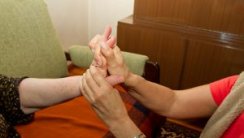
Massage therapy is a soothing practice that uses gentle, therapeutic touch to help reduce pain, improve circulation, and promote relaxation. A trained massage therapist can provide comfort and connection at a time when people are most likely to feel isolated and fearful. Many patients show improvements in emotional distress, nausea, anxiety, and pain.
In addition to allowing patients to transcend their physical condition, massage therapy also creates an opportunity for quiet reflection, helping patients and their families embrace moments of connection and care.

Music is a powerful medium. Music therapy uses the power of music to address patients’ physical, emotional, cognitive, spiritual, and social needs through individualized treatments like creating music, singing, movement, and listening.
As an integrative hospice therapy, music can make a difference between withdrawal and awareness, between isolation and interaction, and between chronic pain and comfort.

Pet therapy is a program that brings certified therapy animals to visit patients — offering emotional support, reducing stress, and creating moments of joy. Dogs have a long-standing history of providing faithful companionship. These loyal animals are one of the best sources of comfort for any human – including hospice patients and their families. That’s where Samaritan’s complementary hospice pet therapy comes in.
Certified hospice therapy dogs can provide a wide range of physical, emotional and social benefits to patients and their families.
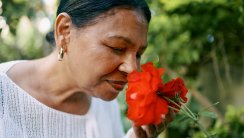
Aromatherapy involves the use of essential oils extracted from plants to promote relaxation, ease discomfort, and enhance overall well-being. This gentle and natural therapy is a valuable addition to hospice care, offering patients and their family moments of calm and comfort during challenging times.
Samaritan’s aromatherapy program uses carefully selected essential oils to provide physical, emotional, and even spiritual benefits to patients in hospice care.
Though not required or covered by Medicare, Medicaid and many private insurers, the services of Samaritan’s hospice-trained integrative and complementary therapists are made possible through generous donations to Samaritan.
Please check with your hospice team about which integrative and complementary therapies in hospice and palliative care are offered in your area. Thank you!

Ready to learn more about Integrative & Complementary Therapies in southern New Jersey?
Contact us today
(856) 596-1600