(856) 596-1600 | Start a Referral

(856) 596-1600 | Start a Referral
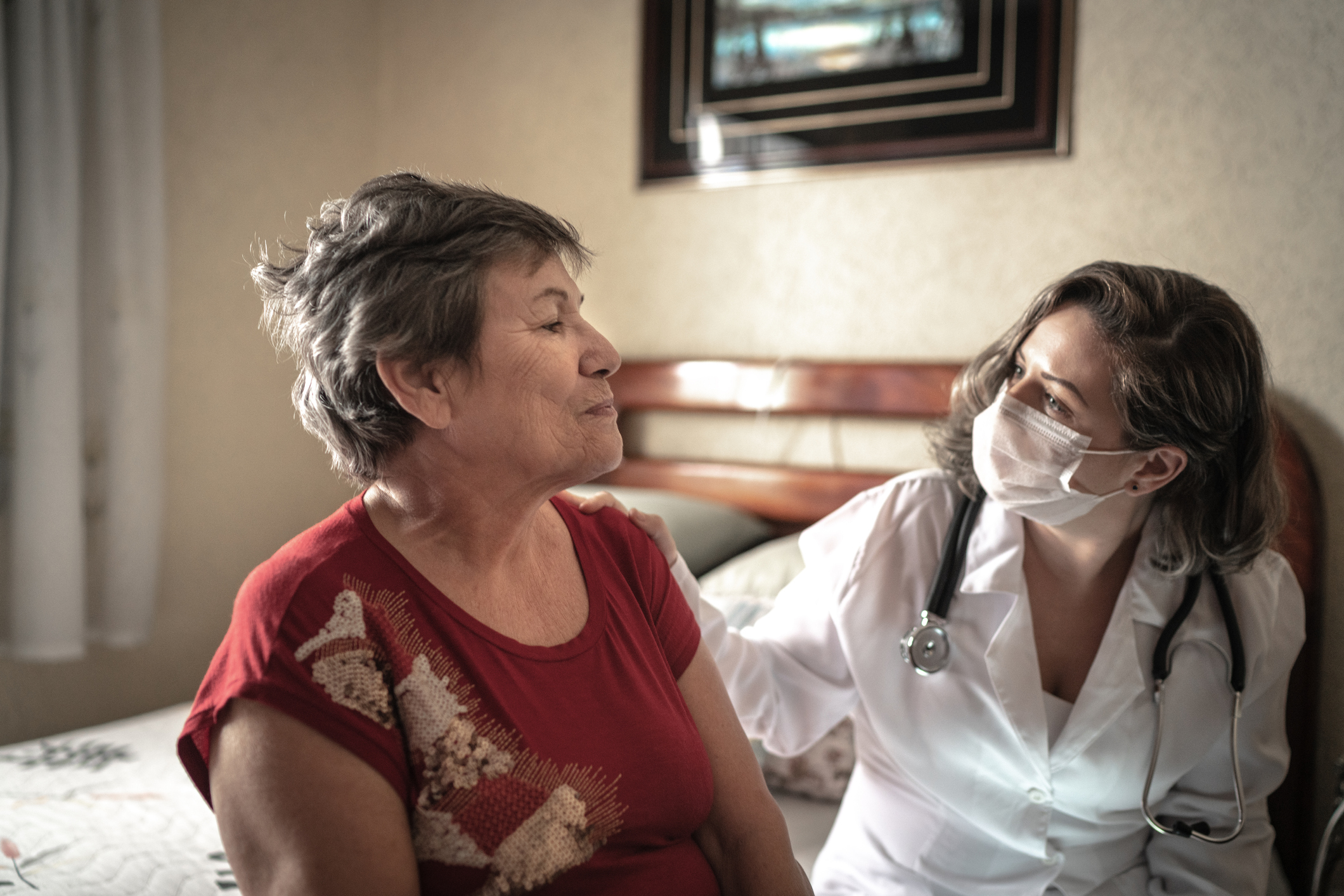
Browse our Hospice FAQ list to learn the answers to some of the most common hospice questions. If you don’t see the answer you’re looking for below, please call us at (856) 596-1600.
Hospice care is specialized healthcare aimed at improving the quality of life for patients with a life expectancy of six months or less. It focuses on providing comfort, support, and dignity by addressing physical, emotional, and spiritual needs.
The hospice team works alongside the patient’s primary care physician and supports the patient’s family, also offering grief counseling and assistance with care decisions.
No. Choosing hospice care doesn’t mean giving up hope. It can actually help patients and families better understand what they may realistically wish for: comfort, dignity, resolving family and spiritual issues, spending quality time on pursuits that are important to the patient and family, etc. Hospice care is built on the belief that every day of every life matters.
Choosing Samaritan means you are requesting the help of an expert team to guide and support you through an illness so that you and your family can focus your remaining time together on what’s most important to you.
This is a very common hospice question. The truth is that hospice care doesn’t hasten or postpone dying. It simply recognizes death as a natural part of the life cycle and provides care that addresses physical, emotional, social, and spiritual pain so that patients and families may enjoy a more satisfactory quality of life – even during the last year of life. In fact, recent studies have indicated that some patients actually live longer on hospice care due to their improved quality of life. Just as there are medical specialists who provide their expertise and support when we are born, Samaritan clinical team members provide expertise, compassion, and support during the last phase of life.
Absolutely not. Samaritan’s South New Jersey hospice program is experienced in caring for people of all ages with any kind of chronic progressive life-limiting injury or illness. These diagnoses can include, but are not limited to: heart, lung, renal, and kidney diseases, ALS (Lou Gherig’s Disease), Multiple Schlerosis, Parkinson’s Disease, Alzheimer’s, and other forms of dementia, as well as HIV/AIDS.
No, contrary to common belief, hospice is not a place, but rather a team-oriented philosophy and program of care. In fact, the majority of Samaritan’s patients receive hospice care in their own homes or the residence of a loved one. We also provide hospice care in assisted living and long-term care facilities, as well as short-term stays for pain and symptom control in Samaritan’s inpatient hospice centers.
You can find out more about these options, and get answers to other hospice questions, by calling us 24/7 at (856) 596-1600.
You should give serious consideration to hospice care when a patient or loved one:
While Samaritan works to keep physicians in our service area informed and involved, they may not always be aware of all the services we offer. You should feel free to discuss hospice care at any time with your physician, other health care professionals, clergy or friends. You can also contact Samaritan directly for whatever information you feel you need to make a well-informed decision at (856) 596-1600.
Yes. We encourage it! Samaritan welcomes the opportunity to provide guidance to families about end-of-life issues so that they are informed about all their healthcare options. Understandably, many people are uncomfortable with the idea of stopping aggressive efforts aimed at ‘beating’ a disease, even if these treatments are proving to be ineffective or burdensome to the patient’s quality of life. Samaritan staff members are highly sensitive to these concerns. You do not need a physician’s referral to call us for information. If it appears that hospice care would be appropriate and beneficial, our staff – with your permission – would contact your doctor to discuss it. You may contact us at (856) 596-1600 or email us for more information.
Patients are admitted to Samaritan with a physician’s order. However, patients and families may begin the process with a phone call to Samaritan at (856) 596-1600. If it appears that hospice care is appropriate, our staff can assist families in getting the necessary authorization from the patient’s physician. Samaritan also employs a Medical Director and hospice physicians to assist and care for patients who have no personal physician.
Samaritan makes the patient referral process easy. Our goal is to remove stress off the patient, loved ones, and healthcare providers. You can start a referral process right now, simply by completing this brief form.
Most physicians know about hospice care. However, knowing when to refer a specific patient is often an inexact science. If your doctor would like more information about Samaritan, our medical director, hospice physicians, and staff are happy to answer any physician inquiries and/or provide staff in-services about Samaritan hospice care, transitional and grief support programs at (856) 596-1600.
One of the first things Samaritan staff will do is contact the patient’s physician to make sure he or she agrees that hospice care is appropriate for this patient at this time. Samaritan also has medical staff available to help patients who have no personal physician. The patient will be asked to sign consent and insurance forms. These are similar to the forms patients sign when they enter a hospital. The so-called “hospice election form” says that the patient understands that the care is palliative (that is, aimed at pain relief and symptom control) rather than curative. It also outlines the services available. The form Medicare patients sign also tells how electing the Medicare Hospice Benefit affects other Medicare coverage.
Hospice care treatment is a benefit of Medicare, Medicaid, and the Department of Veterans Affairs (VA). Most commercial insurance plans also cover hospice with applicable co-pays and deductibles. Samaritan’s staff will assist patients and families in understanding and securing eligible coverage and care options. Please call us with questions about your loved one’s hospice care coverage.
First, call Samaritan at (856) 596-1600. We’ll walk you through next steps.
Ongoing grief and bereavement support is an important part of the care provided by your Samaritan hospice team right from the start.
Your physician, nurse, social worker, spiritual support counselor, home health aide, and volunteer are always willing to talk with you about your thoughts and feelings. In addition, you can ask your social worker about bereavement support.
Hospice care provides pain and symptom management, emotional and spiritual support, and necessary medical equipment to enhance patient comfort and quality of life. It also offers therapy services, respite care for caregivers, and grief counseling for families. These services are tailored to meet the physical, emotional, and spiritual needs of patients and their loved ones during challenging times.
Absolutely! Advance care planning allows you to make decisions in advance about the care you wish to receive at the end of life. Research shows that individuals who engage in advance care planning receive care that aligns more closely with their preferences and report greater satisfaction. See advance care planning resources here: Advance Planning
Yes, hospice includes 24/7 care. With Samaritan's hospice experts, patients and families can experience peace of mind knowing that care is available around the clock. Samaritan employs over 25 board-certified physicians and advanced practice nurses along with many other dedicated staff members, to ensure uninterrupted support 24 hours a day, 7 days a week, 365 days a year.
Whether it’s during the day or in the middle of the night, Samaritan’s well-staffed team is ready to provide care and assistance—even at 2:00 a.m.
Hospice care offers numerous benefits, including:
Families are supported with training, guidance, and bereavement counseling while reducing medical costs and unnecessary treatments, allowing patients to focus on meaningful time with loved ones.
The hospice team is an interdisciplinary group that typically includes:
Hospice volunteers play a vital role by sharing their time and talents in various ways. They provide companionship to patients, assist with administrative tasks, greet guests at facilities, and help in thrift stores. Volunteers may also serve as music performers, bring certified pet therapy dogs to visit patients, or contribute by serving on committees — enriching the lives of patients and their families.
That’s completely okay. If you decide to pursue curative medical treatment, hospice may not be the right fit for you. While you need to qualify for hospice care, you can choose to opt out at any time and for as long as you wish. If your circumstances change, you can opt back in, provided you still meet the qualifications.
The Samaritan Center accepts visitors 24 hours a day, 7 days a week.
The Samaritan Centers at Mount Holly and Voorhees are for patients of all ages with a life expectancy of 6 months or less if no further treatment is pursued.
Yes. Most Samaritan hospice patients receive care in their own home, a loved one’s home, an assisted living community, or a long-term care facility. Our hospice team makes scheduled visits based on the patient’s individualized care plan, with support available by phone 24 hours a day, seven days a week.
If a patient refuses hospice care, they continue receiving standard medical treatments aimed at treating their illness, rather than focusing solely on comfort and quality of life. The patient retains the right to pursue curative treatments and other interventions, while healthcare providers may still offer support for managing symptoms and providing palliative care as needed. The decision is respected, and the patient can choose hospice care at a later time if desired. At Samaritan, we'll provide the compassionate care your loved one deserves, every step of the way.

If you didn’t find the answer in our hospice FAQ, you can call us anytime, for free, to get more information
Contact us today
(856) 596-1600